Faculty of Engineering at Hasanuddin University Hosts KJI XXI and KBGI XVII 2026, with UNY and UNS Named Overall Champions
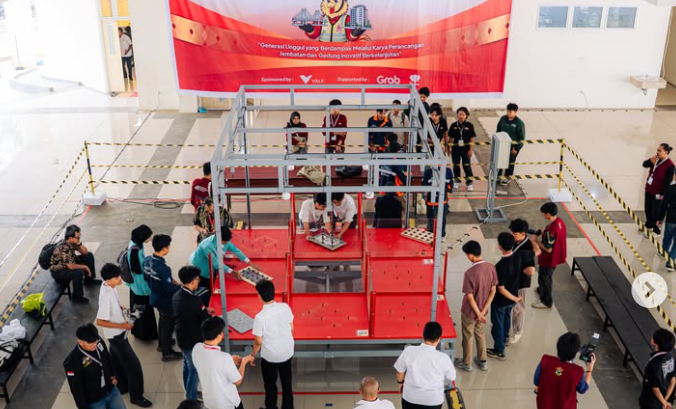
ams across two categories: eight-story building models using steel structures and eight-story building models using precast reinforced concrete.
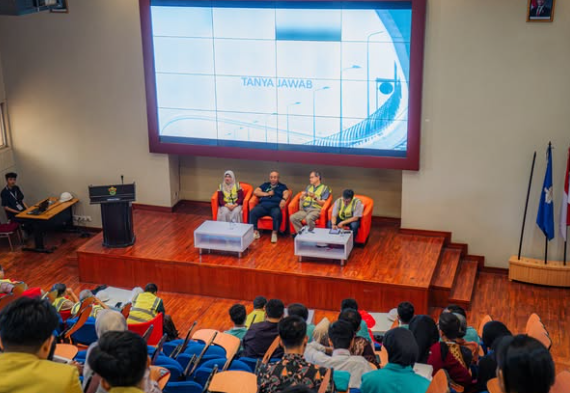
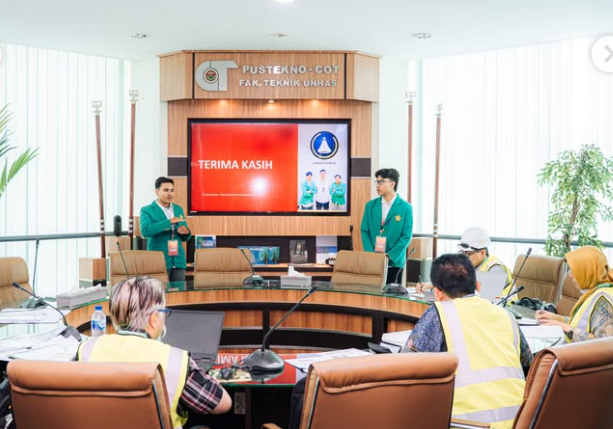
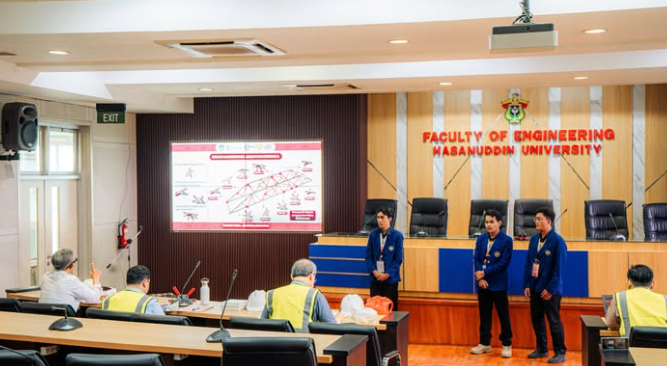
The CSA and COT facilities at FTUH were also used for presentation sessions, during which participants explained their design concepts, engineering calculations, material choices, and construction methods. These sessions assessed the students' ability to communicate technical decisions systematically and defend their engineering approaches before the judges.
By integrating design presentations with assembly and testing, the competition provided students with a practical learning experience that reflects the demands of professional engineering. Participants were required to consider structural stability, connection details, construction methods, material efficiency, and occupational safety.
Advancing Innovation in Sustainable and Disaster-Resilient Construction
The value of KJI and KBGI extends beyond competition results. Both events provide a platform for students to understand how engineering decisions influence the safety, efficiency, and long-term performance of infrastructure.
In bridge engineering, structural configuration and material selection affect a bridge's capacity to carry loads. Efficient designs must achieve the required performance while minimizing unnecessary material use. Participants were therefore challenged to balance structural strength, construction feasibility, and sustainability.
KBGI XVII placed particular emphasis on disaster resilience through structural evaluation, including shaking-table testing. This method allows the response of building models to simulated ground motion to be observed under the competition's testing requirements. Structural performance, seismic response, stability, material efficiency, connection quality, and construction methods were among the important considerations.
These challenges demonstrate that earthquake-resistant buildings depend on more than material strength alone. Structural systems, connection details, load distribution, and construction quality all influence how a building responds to seismic forces.
Through these activities, KJI XXI and KBGI XVII encouraged students to apply scientific principles, assess engineering risks, and develop solutions to infrastructure challenges faced by communities across Indonesia.
UNY and UNS Win Overall Championship Titles
The competition concluded with the announcement of the winners at the Sport Hall of the Faculty of Engineering, Hasanuddin University, on October 22, 2026. Universitas Negeri Yogyakarta (UNY) was named the overall champion of KJI XXI, while Universitas Sebelas Maret (UNS) secured the overall champion title of KBGI XVII.
In the Arch Bridge Model category of KJI XXI, Team Jayawardhana from UNY won first place, followed by Team Villakarya from Institut Teknologi Sepuluh Nopember (ITS) in second place and Team Semetric from Universitas Brawijaya in third place. Team SAFIQ from Hasanuddin University received the First Honorable Mention, while Team Daruslan from Universitas Gadjah Mada earned the Second Honorable Mention.
In the Scaled Steel Truss Bridge category, Team Tatrahetsa from Universitas Muhammadiyah Malang won first place. Team Kastara from Universitas Brawijaya secured second place, while Barakka Team from UNY finished third.
In KBGI XVII's Steel Building Model category, Team Carrera from UNS won first place, followed by Team ZEN HORIZON from Politeknik Negeri Jakarta in second place and ADHEG TEAM from Universitas Negeri Malang in third place.
In the Precast Concrete Building Model category, Team Akral Amara from Politeknik Negeri Malang took first place. Team Durbatos from ITS finished second, while Team Nata Bangun Karya from UNS secured third place.
These results reflect the range of engineering approaches demonstrated by participating universities, from bridge design and material optimization to building performance and disaster resilience. Hasanuddin University's Team SAFIQ also contributed to the host institution's participation by earning the First Honorable Mention in the Arch Bridge Model category.
Strengthening FTUH's Role in Engineering Education
Hosting KJI XXI and KBGI XVII provided FTUH with an opportunity to support national engineering education while facilitating knowledge exchange among universities. The use of its facilities demonstrated how campus infrastructure can serve as a platform for experimentation, collaboration, technical evaluation, and the development of future engineers.
In the competition's guidebook, Hasanuddin University Rector Prof. Dr. Ir. Jamaluddin Jompa, M.Sc., described hosting the event as both an honor and a responsibility to contribute to the advancement of science, technology, and innovation in construction and infrastructure. The competition was expected to uphold professionalism, objectivity, and sportsmanship.
Through its facilities and support for engineering activities, FTUH continues to contribute to an educational environment that connects academic learning with practical challenges. The experience gained through KJI XXI and KBGI XVII is expected to encourage further innovation, strengthen student competencies, and support the development of infrastructure that is efficient, sustainable, and resilient to disasters.
Ultimately, the competitions demonstrate how engineering education can help prepare future engineers to address Indonesia's infrastructure needs through evidence-based design, technical creativity, and a commitment to public safety.