Faculty of Engineering, Hasanuddin University, Holds Guest Lecture with Prof. Alexander Roberts on Energy Storage Device Prototyping
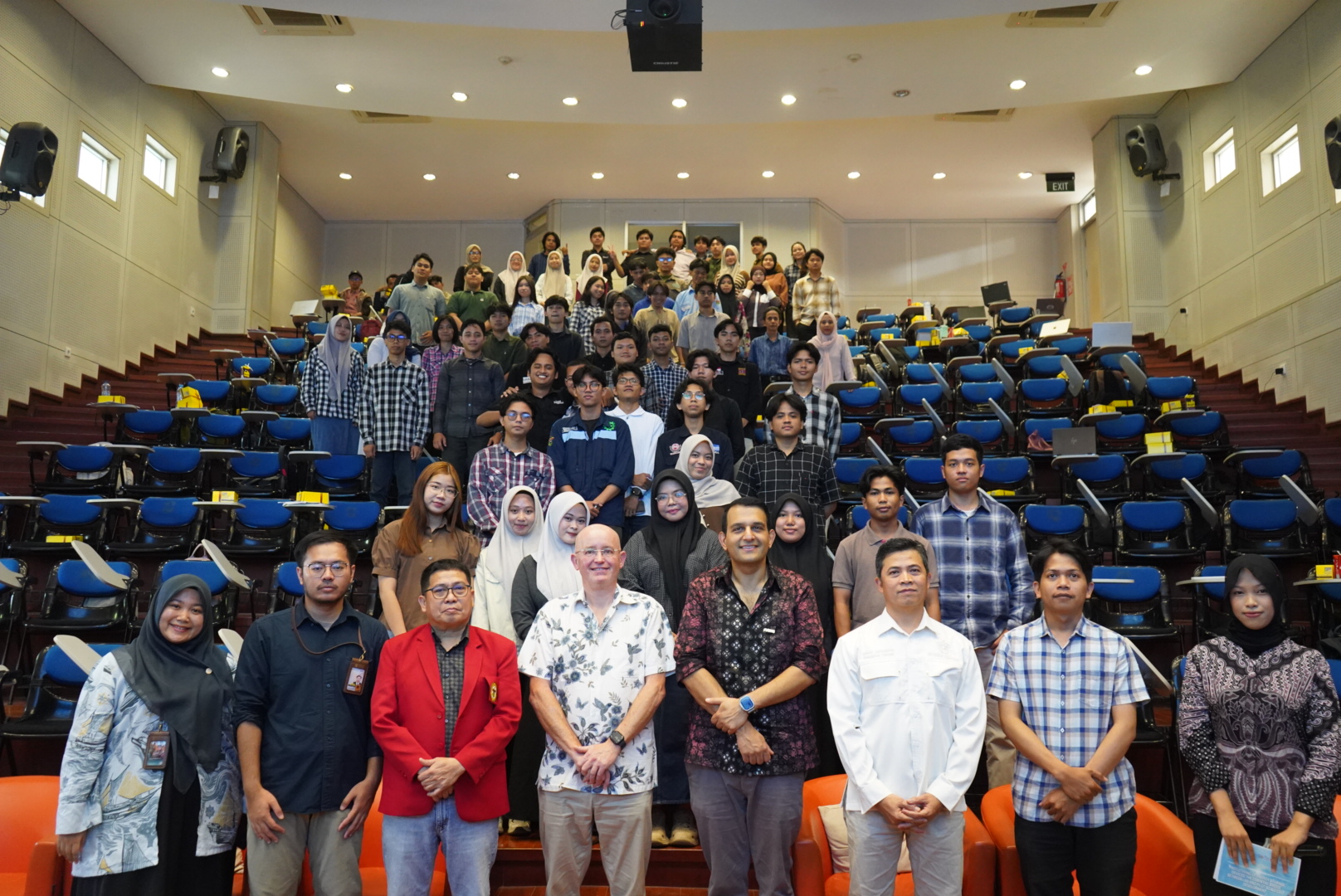
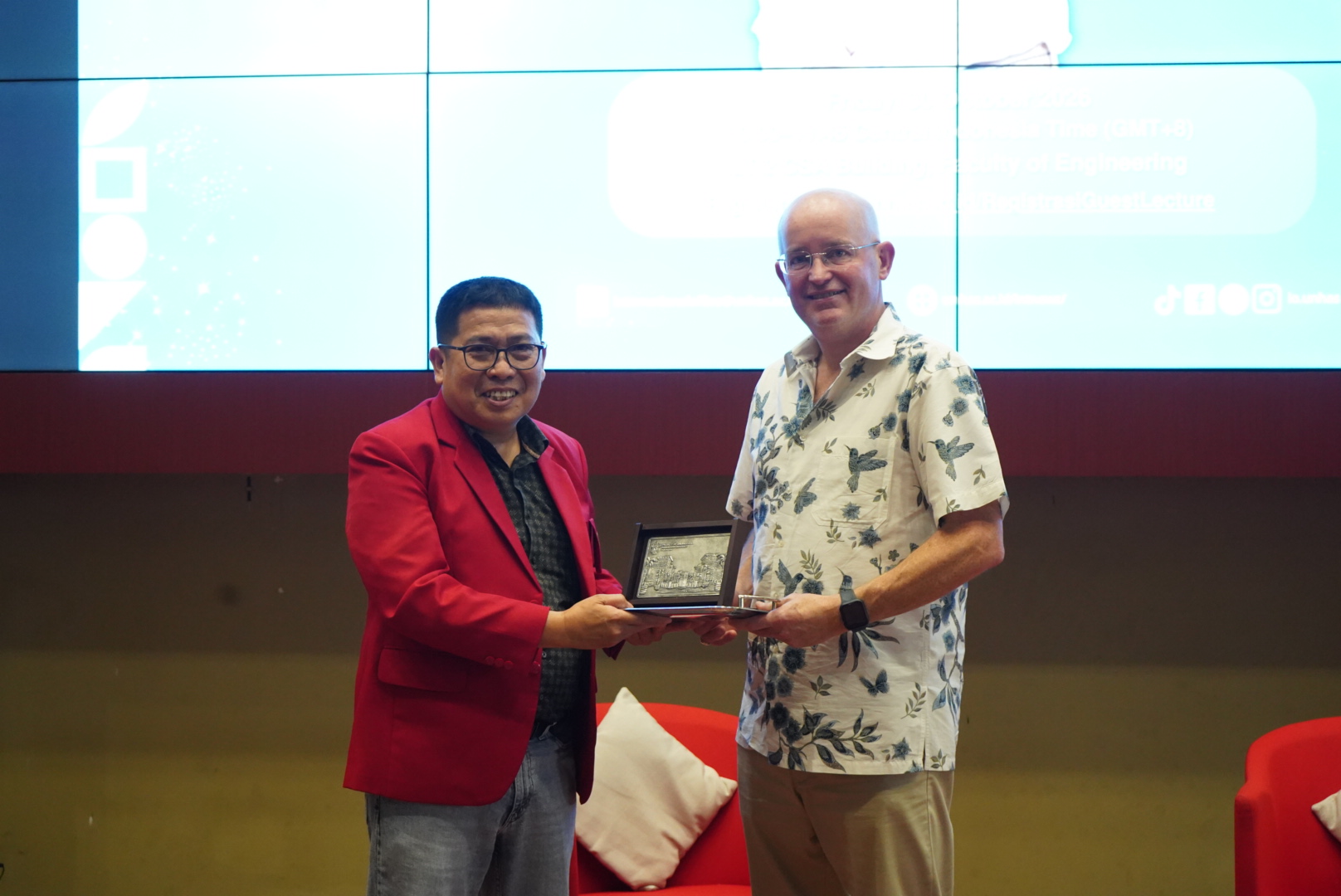
The Faculty of Engineering, Hasanuddin University (FT-UH), held a guest lecture featuring Prof. Alexander Roberts on Friday, October 30, 2026, on the second floor of the CSA Building, Faculty of Engineering Campus, Hasanuddin University, Gowa Regency. Entitled “Prototyping of Energy Storage Devices: The Essential Bridge Between Lab and Pilot Scale Cell Development,” the guest lecture served as a platform for knowledge exchange and academic enrichment on energy storage technology development, particularly the transition of battery cell development from laboratory scale to pilot scale.
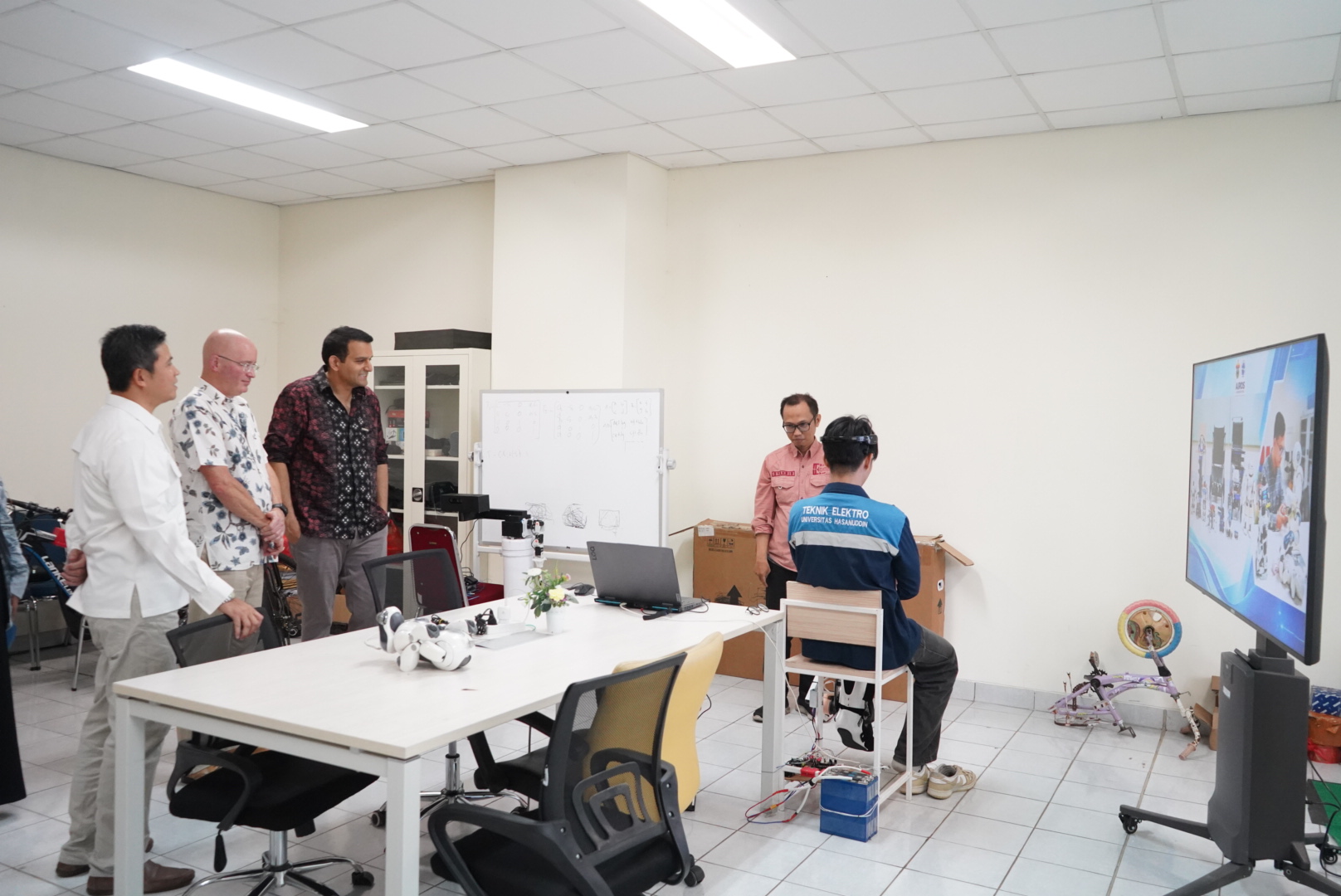
The event began with visits to several laboratories and research facilities at FT-UH, including the Robotics Laboratory, Device Laboratory, and Materials Laboratory. These visits provided Prof. Alexander Roberts and his delegation with an opportunity to gain firsthand insight into the research facilities and the technology development and innovation ecosystem at the Faculty of Engineering, Hasanuddin University.
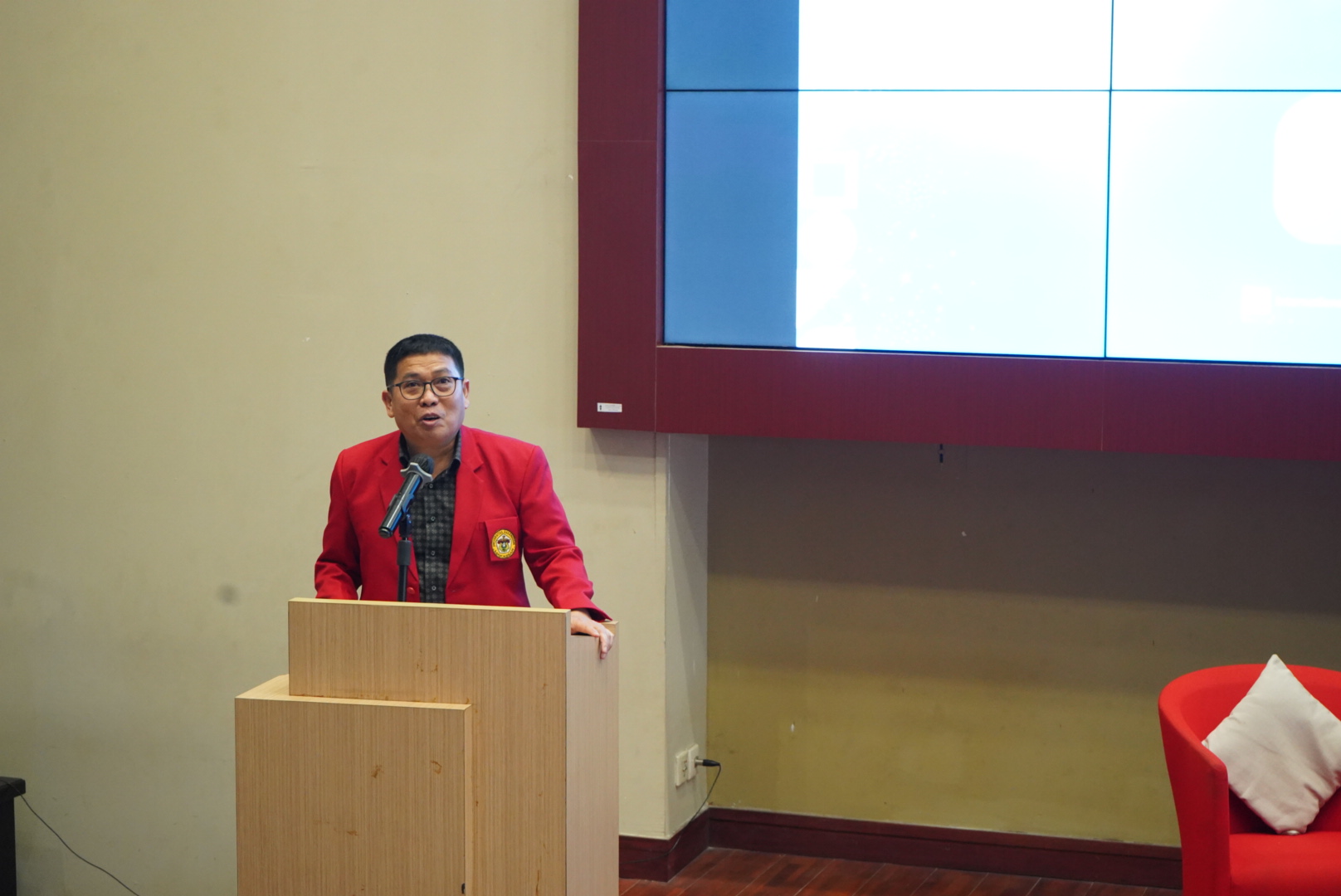
The program continued with an opening session featuring remarks from the Head of the FT-UH Center for Faculty Development and Global Connectivity, Prof. Dr. Eng. Andi Erwin Eka Putra, S.T., M.T. On behalf of the Faculty of Engineering leadership, he welcomed Prof. Alexander Roberts and his delegation and expressed appreciation for their willingness to share their knowledge and experience with the FT-UH academic community.
In his remarks, Prof. Andi Erwin emphasized that the guest lecture was part of FT-UH's ongoing efforts to strengthen global connectivity and advance the internationalization of education and research. He noted that energy storage technology is highly relevant to the transition toward clean and sustainable energy and aligns with the Faculty of Engineering's research development in materials, devices, and energy systems.
Prof. Andi Erwin also expressed his hope that Prof. Alexander Roberts' visit would provide new insights for lecturers, researchers, and students, particularly regarding the stages of technology development from laboratory scale to pilot scale and industrial applications. Furthermore, the event was expected to serve as a starting point for sustainable collaboration through joint research, scientific publications, and faculty and student exchanges, thereby enhancing FT-UH's international reputation and competitiveness.
From Laboratory Research to Pilot Scale
During the main session, Prof. Alexander Roberts highlighted the importance of prototyping in the development of energy storage devices, particularly batteries. He explained that new materials must undergo a series of tests and prototyping stages to assess their electrochemical characteristics, capacity, lifespan, and performance under actual application conditions. This process also plays a crucial role in identifying potential challenges and minimizing risks before the technology is scaled up.
One of the key topics discussed was the development of a 5 Ah lithium-sulfur (Li-S) battery. Prof. Roberts outlined a gradual scale-up strategy, beginning with material and cathode formulation optimization, followed by coin-cell testing, single-layer pouch cell development, and ultimately the production of multilayer pouch cells.
He also elaborated on various challenges in electrode manufacturing, including material mixing, coating, drying, calendering, and battery cell assembly. According to him, a stepwise approach that maintains certain parameters throughout the scale-up process is one of the essential principles for ensuring consistent battery cell performance.
Exploring International Research Collaboration
Following the guest lecture and lunch break, the program continued with a discussion on potential research collaborations, moderated by Prof. Muh. Anshar, S.T., M.Sc., Ph.D. The discussion explored opportunities for joint publications, research grant proposal development, and faculty and student exchange programs. This session marked an important step toward establishing academic and research cooperation between the two parties while expanding FT-UH's international collaboration network.
Through this initiative, the Faculty of Engineering, Hasanuddin University, is expected to strengthen knowledge exchange in energy storage technology and create opportunities for international research collaboration. The participation of a distinguished expert in battery cell prototyping also provided new perspectives on the importance of bridging laboratory-based materials research with the technological development and manufacturing requirements of larger-scale applications.